
Getting enough sleep isn’t only about how tired you feel — it plays an important role in your health, memory, mood and overall well-being. While many people focus on their mattresses, bedtime routines and blackout curtains to improve rest, the HVAC system in your home may be one of the biggest (and most overlooked) influences on your sleep.
At Apex Air, we help Washington and Oregon homeowners improve indoor comfort year-round. Whether you’re trying to cool off during summer nights or warm up in winter, your HVAC system plays a powerful role in how well you sleep. In this post, we’ll answer a common question: Can HVAC systems affect your sleep and improve rest? The answer is yes, and here’s how.
The Ideal Sleep Temperature
Cooler temps tell your body it’s time to rest. Research shows that most adults sleep best when the room temperature is 60-67 degrees F. If your HVAC system struggles to reach or maintain that range, it could be disturbing your natural sleep cycle.
How to optimize temperature for sleep:
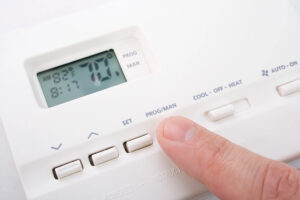
- Use a programmable or smart thermostat to lower temps before bed.
- Close blinds or curtains to block out external heat or cold.
- Upgrade insulation in bedrooms to help your HVAC system work more efficiently.
Humidity: Not Too High, Not Too Low
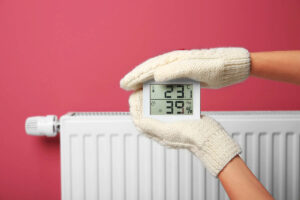
Humidity affects how your room feels and how well you breathe while sleeping. Too much moisture in the air can make you hot, sticky and restless. Too little, and you might wake up with a dry throat or skin.
Optimize home humidity by:
- Installing a whole-house dehumidifier or humidifier
- Using a hygrometer to monitor levels (aim for 30%–50%)
- Sealing windows and doors to keep outdoor moisture out
Your Nighttime Air Quality Matters
Indoor air filled with dust, pollen or other irritants can worsen allergies, trigger asthma or simply make you uncomfortable. Clean air is essential for good sleep. Optimizing indoor air quality is a key part of your sleep hygiene. When you breathe in dust or irritants all night, it messes with your respiratory system, causing congestion, snoring and frustrating, broken sleep.
Optimize HAVC for better indoor air quality by:
- Changing HVAC filters every one to three months
- Adding an air purifier or UV filtration system
- Keeping air ducts and vents clear and clean
HVAC Noise and Sleep Disruption
A noisy HVAC system, whether it’s rattling, humming or blowing too loudly, can keep you awake or interrupt deep sleep cycles. That’s especially true for light sleepers. Any unexpected noises stop your brain from getting the deep, restorative sleep it needs for memory and recovery.
Lower noise for a better sleep by:
- Scheduling regular HVAC maintenance
- Replacing aging or loud components
- Using fans or white noise machines to mask minor sounds
- Upgrading to a more quiet HVAC system
Maintain Consistency While You Sleep
One of the most important things your HVAC system can do is maintain a steady environment throughout the night. Fluctuating temperatures or humidity can wake you up or leave you tossing and turning.
Tips for consistent comfort:
- Avoid sudden thermostat changes at night.
- Use a smart thermostat that “learns” your ideal sleep settings.
- Zone your HVAC system so each room has its own temperature control.
How Temperature Affects Circadian Rhythms
Your internal clock, or circadian rhythm, responds to environmental cues like light and temperature. When your HVAC system gradually lowers the temperature at night, it can help your body produce melatonin and ease into deeper rest.
Pair cooler temps with dim lighting in the evening for an even better effect.
Small Changes, Big Sleep Benefits
Can your home HVAC help you sleep better? Absolutely. When your system is properly tuned, maintained and optimized for your lifestyle, it supports restful, uninterrupted sleep. From temperature and air quality to humidity and noise, your HVAC setup plays a major role in creating a sleep-friendly space. A little HVAC care can go a long way in improving how you feel every morning.
Need help optimizing your HVAC system for better sleep? Contact Apex Air for expert guidance, system tune-ups and comfort solutions that help you rest easier, night after night.